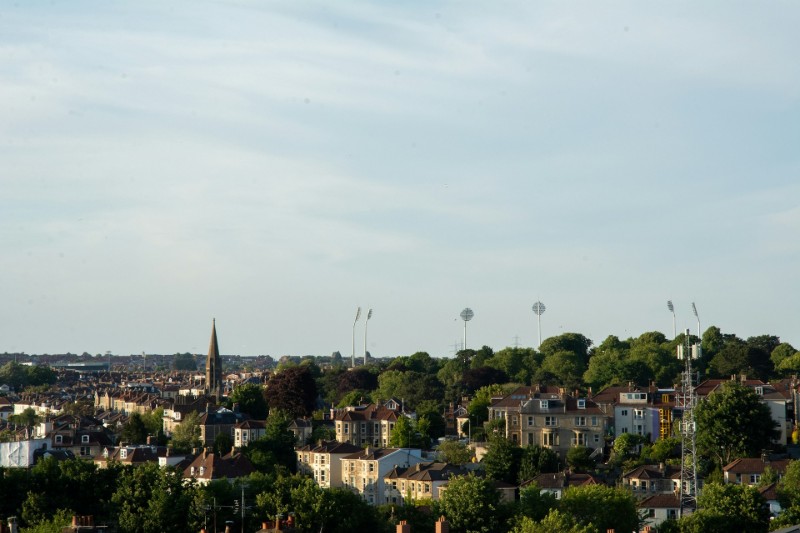
Tucked away in north Bristol, Bishopston is a neighbourhood that offers the best of both worlds. It’s lively but relaxed, independent yet well-connected, and full of charm without sacrificing practicality. Whether you’re looking for a place to rent, thinking of selling up, or weighing up a buy-to-let investment, Bishopston has a lot to offer—and plenty to consider.
This updated guide takes a closer look at the local lifestyle while also diving into the latest property trends. We’ll explore what it’s like to live here, what landlords should know about the market, and why sellers might want to act sooner rather than later.
A Neighbourhood with Character
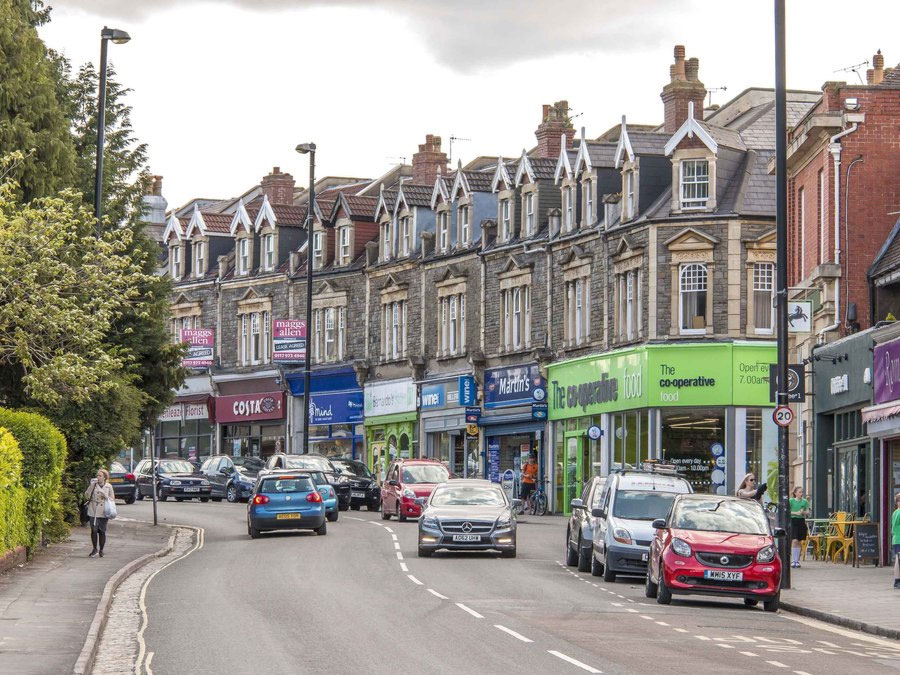
There’s a reason Bishopston has become one of Bristol’s most sought-after areas. With its roots in 19th-century development, the area has grown around Gloucester Road—a long and proud stretch of independent shops, cafés, and businesses that make this part of the city feel uniquely vibrant.
Life here has a local, community-driven rhythm. You can walk to a bakery that knows your order, stop for a coffee in a café where you’ll recognise a few faces, and pick up dinner from an ethical grocer or a street food pop-up. Families love the green spaces, especially St Andrew’s Park, while sports fans enjoy having the County Ground on their doorstep.
Despite the bustle, there’s still a laid-back pace to life here. It’s the kind of place where neighbours chat over the fence and people really put down roots.
Getting Around and Staying Connected
For those commuting or just getting around the city, Bishopston is well-served by public transport. Bus routes along Gloucester Road offer quick access to the centre of Bristol, and with the reopening of Ashley Down station in 2024, rail links have improved dramatically. Trains now run hourly to both Temple Meads and Filton Abbey Wood, making travel smoother for professionals and students alike.
Families and Education
Bishopston continues to attract families, and it’s easy to see why. The area boasts some of Bristol’s most respected schools, including Bishop Road Primary and St Bonaventure’s, both known for strong academic results and supportive communities. For older students, City of Bristol College is nearby, offering a wide range of further education options.
Food, Drink and Daily Life
One of Bishopston’s real pleasures is how easy it is to enjoy everyday life here. Foodies are spoilt for choice with everything from artisan sourdough and locally roasted coffee to global flavours and seasonal pub fare. Whether it’s brunch on a Saturday or dinner with friends, you’re never far from something delicious.
And while Gloucester Road is the area’s heart, it’s not just about eating and shopping. The mix of independent businesses means you’ll find everything from yoga studios to vinyl shops, hairdressers to homewares, all within walking distance.
What’s Happening in the Housing Market?
The property market in Bishopston is in good health, especially for those considering a move or looking to invest. The average sale price in the area now sits around £510,000–£515,000—significantly above the Bristol average of £367,000. Prices here have grown steadily, with a 3–4% increase over the past year alone.
This isn’t just a reflection of bricks and mortar—it’s about location, lifestyle, and long-term appeal. Homes in Bishopston don’t stay on the market for long, and well-presented properties often attract multiple offers.
Thinking of Letting? Here’s What Landlords Need to Know
Bishopston also remains a strong choice for landlords, offering healthy yields and consistently high tenant demand. Properties, where landlords focus on well-maintained flats or licensed HMOs, can deliver these particularly high yields.
As always, there are costs and regulatory pressures to consider—from mortgage rates to licensing requirements—but for many investors, Bishopston’s steady rental market continues to offer reliable returns.
That said, it’s not without its challenges. Some landlords are choosing to reduce their portfolios, especially in light of recent changes to tax relief and compliance obligations. If you’re unsure where you stand, a conversation with a local lettings expert can help clarify your next steps.
Planning to Sell?
For homeowners thinking about selling, 2025 is shaping up to be a favourable time. Demand is strong, and well-priced homes in Bishopston often attract serious interest quickly. With property values still climbing across the city, sellers here are well-positioned to achieve excellent returns.
And let’s not forget that Bishopston sells itself. Buyers are drawn to the area’s schools, parks, cafés and commuter links. A well-marketed home can stand out in this competitive market—especially when it highlights those lifestyle benefits that make Bishopston so appealing.
Looking Ahead: Local Developments on the Horizon
New developments continue to enhance Bishopston’s appeal. Projects like Loft House on College Road—a stylish residential conversion—have already added to the local housing stock, with most units now sold. Meanwhile, new apartment schemes along Gloucester Road and on sites like Berkeley Road are in the pipeline, promising more options for renters and buyers alike.
Further afield, projects like the Bristol Arena development at Filton may also ripple through the housing market in the years ahead, increasing demand and rental appeal city-wide.
Final Thoughts: Is Bishopston Right for You?
Bishopston is a neighbourhood that blends community spirit with strong investment potential. For renters, it offers lifestyle, culture, and convenience. For landlords, it presents stable yields and a loyal tenant base. And for sellers, it’s a market with momentum and demand.
Whether you’re navigating a letting, exploring a sale, or just getting to know the area better, Hopewell is here to help guide the way.
Let’s Talk Property in Bishopston
Ready to take the next step? Whether you’re curious about your property’s value, thinking of investing, or simply looking for your next home, we’re here to help.
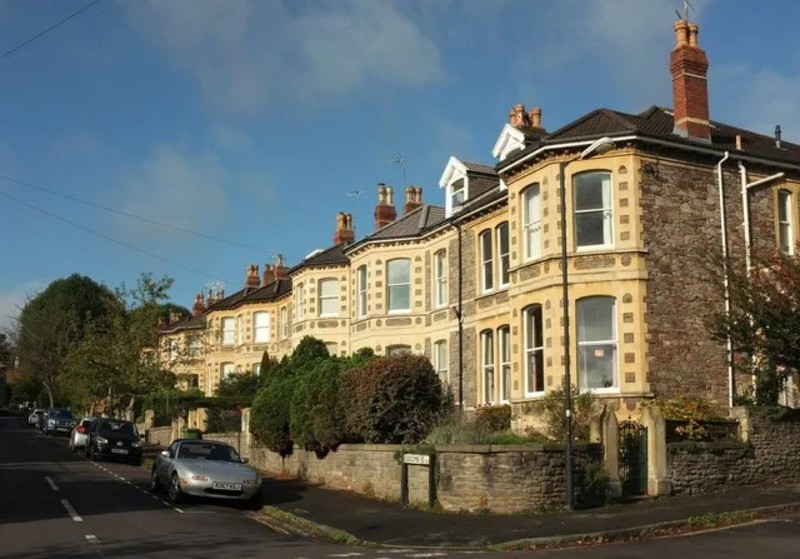
Located just a short two-mile distance from the city centre, is St. Andrews, a charming and picturesque suburb that boasts excellent connectivity to the thriving Gloucester Road and bustling city centre. The majority of the stunning Victorian villas that make up most of the single-residence properties in the area were constructed in the late 19th century, lending the suburb an old-world charm. Although there has been some modern development in the area since the First World War, St. Andrews experienced significant rebuilding in the aftermath of the Second World War, particularly in Cromwell Road and Belvoir Road due to the bombing damage sustained during the war.
Despite the rebuilding, St. Andrews has retained its quaint and idyllic charm, thanks to the tree-lined streets and the many old buildings that dot the area. Once a popular residential area, St. Andrews fell out of fashion in the mid-20th century, with many local properties converted into multiple occupancy residences. However, the trend has since been reversed, with many converted flats being re-converted back into family homes since the 1990s. Today, St. Andrews has once again become a highly sought-after area, reflected in its relatively high property prices.
St Andrews’ Location in Bristol
St. Andrews is a highly desirable suburb of Bristol, whose specific boundaries are somewhat disputed. However, most agree that the area is generally bordered by Gloucester Road to the west, Somerville Road to the north, the Severn Beach Railway Line to the east, and Cromwell Road to the south.
Despite the border dispute, St. Andrews boasts easy access to many major routes, with the Gloucester Road (A38) being the largest road in the area. This road runs up north past the Memorial Stadium, home to the Bristol Rovers Football Club, and on towards Gloucester. To the south, the A38 leads towards Bristol’s city centre, crossing the River Avon and heading past Potters Hill, towards Bristol Airport. The B4052 runs up the eastern side of St. Andrews and connects to the major junction between Saint Anges and St. Paul’s.
St. Andrews is well served by a variety of public transport options, including several bus routes that connect to the city centre and other parts of Bristol. The nearest railway station is Montpelier station, situated at the southern end of the suburb, beyond Cromwell Road. This station is served by Great Western Railway, providing excellent connectivity to the wider region.
The History of St Andrews
The history of St. Andrews is closely tied to its boundaries, with disagreements dating back many years. The modern Ordnance Survey map and the National Gazetteer of Great Britain and Ireland, published over 150 years ago, differ on the exact location of the suburb’s boundaries.
However, it is known that St. Andrews takes its name from St. Andrews Church, which was originally located on St. Andrews Road in Montpelier. The church played a significant role in the area’s early development, and its name has endured to this day, even though the original building was demolished in 1969.
Another notable church in the area was the David Thomas Memorial Church, which stood for over a century before being redeveloped in 1987. Designed by renowned British architect Stuart Colman, the church was a stunning example of Gothic fantasy. Although much of the original building was replaced by flats, the octagonal spire and west front remain, providing a glimpse into the past.
Sports enthusiasts will be delighted to learn that St. Andrews is situated southwest of Ashley Down, where the Gloucestershire Cricket club plays its home games. The Bristol County Ground is just a short walk from the northern end of town, and the cricket club has a rich history as one of England and Wales’ first-class county cricket clubs. The legendary W.G. Grace, whose father founded the club in 1870, once served as its captain.
Shopping In St Andrews
St. Andrews is home to Gloucester Road, which is renowned for its plethora of shopping opportunities, offering an eclectic mix of trendy, independent shops and well-known brands. Clothing stores like Don Majors, Fox + Feather, and Make are popular choices for fashion enthusiasts. Additionally, visitors can browse through a variety of second-hand shops including those operated by Cancer Research UK, British Heart Foundation, and Marie Curie.
Art lovers will appreciate the presence of music stores like Drum Bank Music and Prime Cuts, as well as the wide selection of artistic wares available at Imaginations Fine Art shop. Aside from these, visitors can explore several other options like gift shops, home goods, and toys, ensuring an unforgettable shopping experience.
St Andrews Bars and Restaurants
St. Andrews boasts a vibrant culinary scene, with the main thoroughfares of Gloucester Road and Cheltenham Road offering the highest concentration of bars and restaurants. Check out Palomar for fresh seafood dishes, while Hobgoblin serves up mouthwatering burgers and loaded fries.
The area has numerous restaurants offering cuisines from all over the world, including Jamaican food at St Mary’s Kitchen, Caribbean dishes at Turtle Bay and authentic Sri Lankan flavours from The Coconut Tree. And we can’t forget to mention the many pizza, fish and chips and traditional British food options available.
If you’re in the mood for cocktails, head to the cosy Bootlegger or the trendy Filthy Thirteen. Traditional pubs are plentiful as well, with many serving food and hosting bar games, such as the Bishops Tavern on Cheltenham Road. For a night out, head to The Blue Lagoon or the Old England for an evening of live music at Bath Buildings.
Other St Andrews’ Attractions
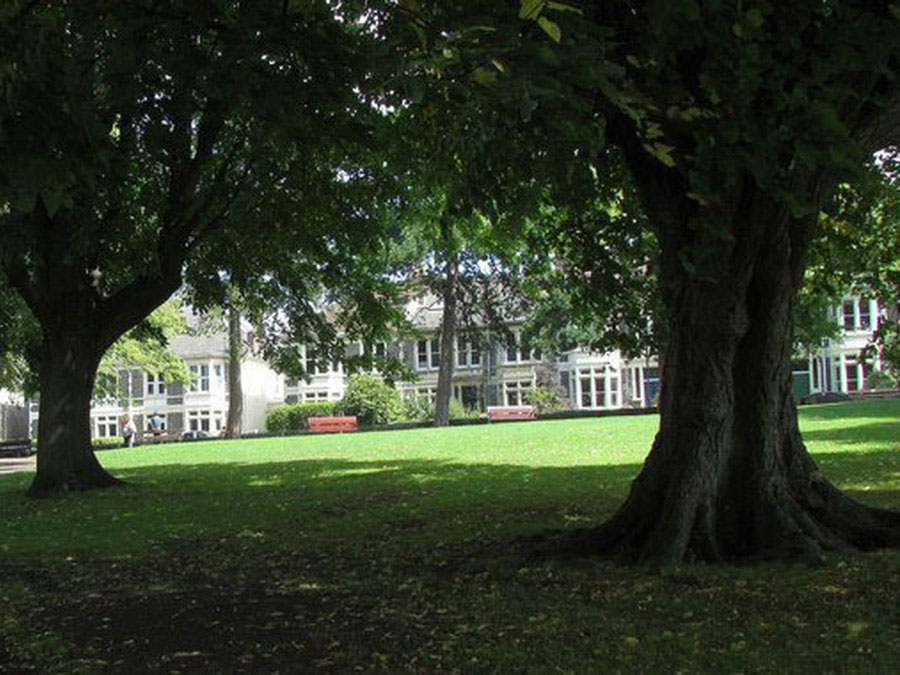
St Andrews Park is located in the middle of the suburb and is a lovely green area to relax enjoy being outdoors. It is popular with all sorts of people from people walking their dogs to families playing together.
Long Ashton, a charming village located towards the southwest of Bristol, is the perfect base for exploring the surrounding countryside while still having access to the city centre. Although technically just outside the urban boundary of Bristol, Long Ashton is conveniently located close to the heart of the city and is a part of the Unitary Authority of North Somerset.
With a population of over 6,000, Long Ashton is a cosy and welcoming place to stay. The village includes Leigh Woods and the nearby hamlet of Yanley, adding to the picturesque countryside charm of the area. Long Ashton’s properties are diverse, with a mix of both old and new styles and a wide range of sizes, from large to small.
Known for its numerous green spaces, woodland and open areas, Long Ashton boasts a true country feel despite its proximity to the bustling city centre, just a couple of miles away. If you’re looking for a peaceful retreat with easy access to Bristol, Long Ashton is the perfect location to explore the best of both worlds.
Long Ashton Location in Bristol
Nestled on the south-facing slopes of a valley running from east to west, Long Ashton is steeped in history. The village’s original site was situated on the old Bristol to Weston-super-Mare road, which has since been replaced by the A370. Colitters Way provides easy access to the southernmost tip of Gloucestershire, while the A370 takes you straight into the heart of Bristol city centre.
The surrounding areas of Long Ashton are just as delightful, with trendy Southville to the northeast, and Ashton Gate and Ashton Court to the north. The latter is home to an old country mansion on a vast estate, hosting numerous events throughout the year, including one of Bristol’s biggest festivals, Love Saves The Day and is a favourite spot for dog walkers and mountain bikers. There are several trails in nearby Leigh Woods for those seeking adventure.
While public transport options aren’t extensive in Long Ashton, there are nearby buses that connect to the rest of Bristol. Parson Street, the closest railway station, is located about two and a half miles to the east of Long Ashton, with Bedminster station a little further along. The train services are operated by Great Western Railway.
The History of Long Ashton
Long Ashton has a rich history that dates back to Saxon times, and evidence of prehistoric and Roman artifacts have also been found in the area, particularly at the site of the Gatcombe Roman Settlement. The village’s name comes from the two waterways, Longmoor Brook and Ashton Brook, that run close to it. The name Long Ashton was formed by combining the two. In the Domesday Book, the village was recorded as ‘Estune’, meaning ‘the places by the ash tree’.
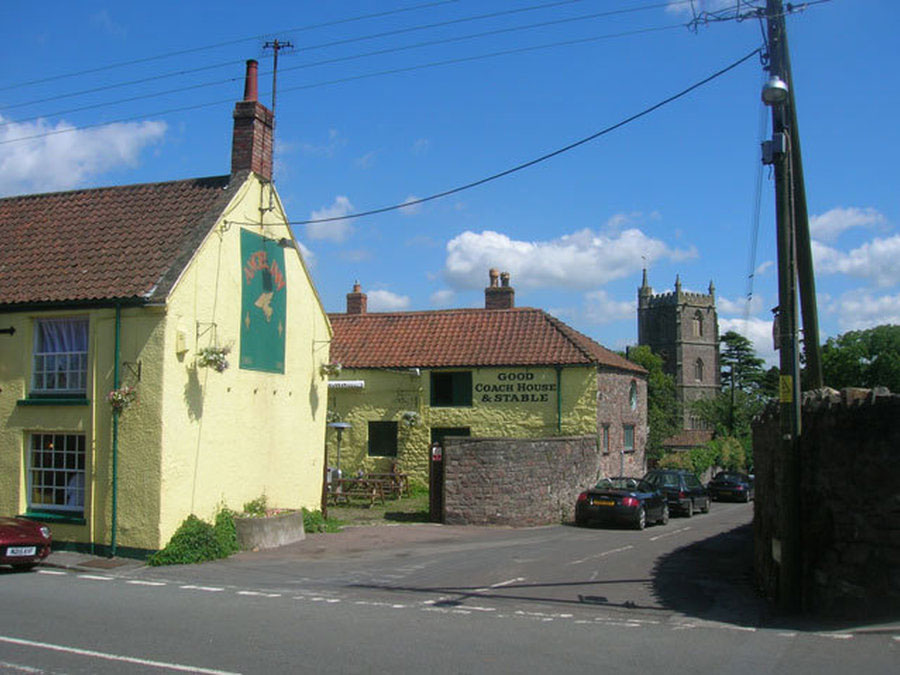
Long Ashton had its own railway connection, with a station built on Yanley in 1926. However, it was closed after only fifteen years. Despite this, the village still remains many historically significant buildings, including the Angel Inn pub. Originally built in 1495 as a church house, it has been converted into a pub and it is the oldest in the area, that’s still in business today. There are also several other pubs in the village that are of historical interest.
Shopping in Long Ashton
Although Long Ashton is a small village, the majority of its best shopping options are situated closer to the city centre. Nevertheless, there are still a few pleasant places to shop in Long Ashton, including the Long Ashton Village Market on Keedwell Hill, where you can purchase fresh produce directly from the source. Additionally, the Gatcombe Farm Shop is located a bit further out on Weston Road in Flax Bourton to the west.
Moreover, Long Ashton has several independent shops, such as Magnolia Hill, a lovely florist on Ridgeway Road, Guitar Finishers on Glebe Road and Jane Booth Ceramics, a pottery store.
Long Ashton Bars and Restaurants
While central Bristol has a lot more to offer in terms of shopping, bars and restaurants, there are still several good choices in and around Long Ashton.
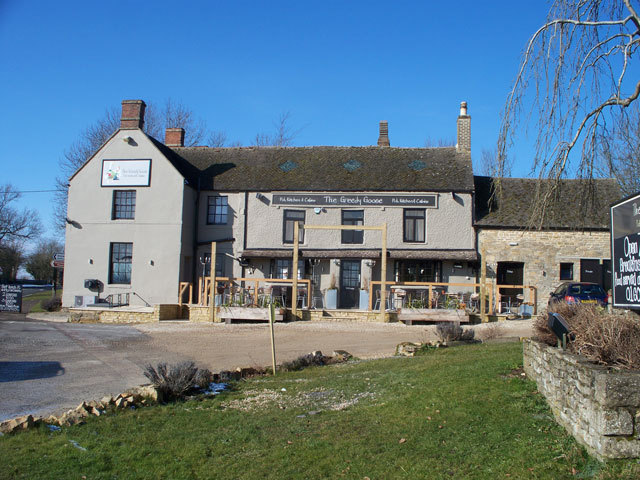
The Ashton is a rustic British pub that serves real ales and classic pub grub, complete with an open fire and beer garden. The Bird in Hand is another excellent gastropub option, while the Greedy Goose restaurant, located a bit further out on Gatcombe Lane, is also highly recommended.
The Greedy Goose
For those in the mood for some traditional British fish and chips or pizza, there is Piccolo’s.
As for pubs, The Angel Inn, Ashton, and Bird in Hand have already been mentioned, but also consider the cosy Miners Rest, which has outdoor seating. The Jubilee Inn on Main Road in Flax Bourton to the east is another great option for warm weather and an inviting atmosphere, complete with outdoor seating for good weather.
Other Long Ashton Attractions and Places of Interest
Long Ashton offers many opportunities to enjoy open spaces and green areas, making it an attractive place to live or visit. To the north lies Ashton Court Estate, which hosts the Bristol International Balloon Fiesta every August, the largest gathering of hot air balloons in Europe with over 130 balloons from all over the world. This four-day event is free to attend, with only parking charges applicable. It is a truly unforgettable experience that should not be missed.
In addition to this spectacular event, the other nearby green spaces in Long Ashton offer a serene and peaceful experience that is perfect for relaxation.
Discover the charm of Henleaze, a delightful residential suburb located in the north of Bristol. The picturesque area boats a concentration of entirely Edwardian streets, as well as a number of listed buildings of ‘exceptional interest’, including the Old Lodge, a beautiful thatched cottage dating back to 1810. Prominently positioned on Henleaze Road, the Old Lodge has become a famous Bristol landmark and is often attributed to John Nash, the most prominent architect of the Regency and Georgian eras.
Although never officially confirmed to be a Nash building, the Old Lodge is very similar to the group of thatched cottages that Nash designed and built around the same time nearby Blaise Hamlet, just a few miles from Henleaze.
Henleaze is not just a historic gem, it also offers modern amenities making it an ideal destination for anyone seeking somewhere to stay in Bristol. From cosy cafes to stylish restaurants and shops, there is something for everyone in this charming area. So why not explore the beauty of Henleaze and discover what makes it such a special place?
Henleaze Location in Bristol
Henleaze benefits from its proximity to other popular suburbs and wards of the city. Neighbouring areas such as Westbury-on-Trym, Redland, Horfield and Bishopston offer a wealth of attractions and amenities for visitors and residents alike.
Explore the lovely village of Westbury-on-Trym, with its picturesque river Trym flowing through it, or visit Redland, home to many students of the Bristol universities and a managed woodland area that hosts an annual May Day fair.
Sports fans can catch a game at the Memorial Stadium in Horfield, where Bristol Rovers Football Club play their home matches, while fans of classic British comedy will recognize Bishopston as the location of several scenes from The Young Ones.
The main road that connects Henleaze to the rest of Bristol includes the A4018, which takes you from the northernmost parts of the city down to the city centre, and the nearby Gloucester and down to the Mendip Hills Area of Outstanding Beauty before connecting with the M5.
The History of Henleaze
Henleaze has a fascinating history that dates back to the mid-seventeenth century. Originally part of the parish of Westbury-on-Trym, the area remained rural until 1896 when it was sold for development, and the new town began to grow.
The name ‘Henleaze’ is believed to derive from a former local resident named Robert Henley, who either purchased or built property in the area in the mid-seventeenth century. His home, known as Henley’s House, became the namesake for the surrounding land, which eventually became Henleaze Park and gave rise to the modern name of the Bristol ward.
One of the most interesting historical sites in Henleaze is St. Ursula’s School on Brecon Road, which was built in the late nineteenth century at the behest of the Roman Catholic group the Sisters of Mercy. The school’s main building features a large clock tower that survived the bombings of the Second World War and is now a Grade II-listed building. During the war, the cellars beneath the school served as air raid shelters, potentially saving the lives of hundreds of people.
Experience the rich history of Henleaze by exploring its many historical sites and landmarks. From its picturesque Edwardian streets to the beautiful listed buildings, there’s no shortage of fascinating history to discover in Henleaze.
Shopping in Henleaze
Henleaze is not just a charming residential suburb of Bristol but also a great place to stay when visiting the city, with several shopping options and local amenities to cater to residents and visitors alike.
In Henleaze, you can find several supermarkets, newsagents, and bakeries offering fresh bread and snacks. The area also boasts several charity shops, perfect for those looking for unique finds and hidden treasures. In addition, there is a library and a cinema, providing plenty of opportunities for entertainment and relaxation.
One of the most appealing aspects of Henleaze is its proximity to Bristol’s city centre, making it an ideal base for exploring the city.
Henleaze Bars and Restaurants
When it comes to dining options, Henleaze is home to many excellent restaurants, cafes, and pubs in the surrounding areas. First up is The Westbury Park Pub and Kitchen, a round pub with a circular bar, offering big-screen sports as well as a great pizza menu.
For those seeking quality food made with fine ingredients from around the world, Chandos Deli is a popular eatery situated on Henleaze Road. This welcoming deli serves a range of speciality foods, including delicious farmhouse cheeses, award-winning sandwiches, paninis, salads, and more.
If you’re after a Friday night treat then head to Henleaze Sultan, where you can grab yourself authentic Indian food served fresh and hot. Or Kondi Brasserie, also on Henleaze Road, serves a comprehensive breakfast, lunch, and dinner menu with dishes made from locally-sourced ingredients. This popular brasserie boasts retro decor, a friendly ambience, and a great selection of cakes.
If you’re after a lively, traditional pub with a quality menu, real ales and regular events, look no further than The Eastfield on Henleaze Road. This vibrant pub is family and dog friendly, has a large beer garden, pop-up food nights, Sunday roasts, and a skittles alley.
Other Henleaze Attractions and Places of Interest
Henleaze is home to many hidden gems, but the most popular one has to be Henleaze Lake. A Stunning natural retreat that was intentionally formed over 100 years ago on the site of a former quarry.
Thanks to its unique spring water source and under the care of the Henleaze Swimming Club, the lake became a beloved spot for swimming, especially after World War I. Now nestled in a wooded setting and surrounded by houses, Henleaze Lake is a secluded paradise for a refreshing dip in its pristine waters, abundant with wildflowers and birdlife.
Another must-visit attraction is the newly renovated Old Quarry Park, a former quarry-turned-green space that has been transformed into a vibrant community hub. This park, located in the heart of Henleaze, offers a range of amenities including children’s play equipment and seating areas. Thanks to a recent National Lottery grant, Old Quarry Park is now a beloved destination for locals and visitors alike.
Just across the river from Bristol’s buzzing city centre, Southville is one of those neighbourhoods that really does have it all — independent shops, cosy cafés, green spaces, a real community feel and a property market that’s as lively as the streets themselves.
Whether you’re thinking of renting, buying or investing, this guide is here to give you the full picture. We’ll explore Southville’s charm, dive into the latest property trends and highlight why so many people — from young professionals to savvy landlords — are drawn to this corner of BS3.
A Neighbourhood with Character
Southville’s roots are proudly industrial, with a past shaped by Bristol’s tobacco trade and shipbuilding history. You’ll still see nods to this heritage — most famously in the Tobacco Factory, now a much-loved arts venue and community hub. It’s places like this that give Southville its charm: a mix of old and new, grit and creativity, tradition and reinvention.
Over the last couple of decades, Southville has blossomed into one of the city’s most desirable areas. It’s not hard to see why — just take a stroll down North Street and you’ll find independent shops, street art, foodie hotspots and friendly locals who’ll happily tell you why they wouldn’t live anywhere else.
Everyday Life in Southville
Shops, Cafés and Culture
At the heart of the neighbourhood is North Street, a lively stretch lined with everything from sourdough bakeries to vintage shops. Grab a coffee from the team at Sweven, pick up groceries at Southville Deli, or enjoy dinner at Souk Kitchen, a local favourite for Middle Eastern dishes.
The area is also home to Upfest, Europe’s biggest street art festival, which transforms Southville’s walls into colourful canvases every year. And if you’re after some evening entertainment, the Tobacco Factory Theatre always has something worth seeing — from local productions to touring performances.
Green Spaces and Parks
When you want a bit of green space, Greville Smyth Park is just a short walk away. It’s perfect for weekend picnics, a kickabout with the kids, or a relaxing stroll with a takeaway coffee in hand. And with Ashton Court Estate nearby, there’s no shortage of outdoor escapes.
Getting Around
Southville is brilliantly connected. You can walk or cycle into the city centre in no time, or hop on a bus if you’re heading further afield. Bristol Temple Meads is also within easy reach, making it a great base for commuters.
Schools and Community
For families, Southville is a reassuringly solid choice. Southville Primary School (across two sites on Myrtle Street and Merrywood Road) is well-regarded and has strong local ties. In 2024, 70% of pupils met the expected standard in reading, writing and maths — a figure that reflects the school’s good reputation and supportive learning environment.
It’s also a genuinely community-focused area. Residents are passionate about keeping Southville a welcoming, creative and inclusive place to live. That spirit shows up in the markets, festivals and even the local noticeboards — it’s the kind of place where neighbours know each other by name.
Property Prices and Market Insights
Southville has long been one of Bristol’s most in-demand neighbourhoods — and the numbers tell the story.
As of early 2025, the average property price in Southville is around £409,500, with terraced houses (the most common type) selling for an average of £506,000. Flats are typically changing hands for just under £290,000, while semi-detached homes command even higher prices at over £630,000.
Prices have risen around 7% year-on-year, which is in line with Bristol’s steady market growth — but Southville’s consistent popularity helps insulate it from volatility.
A Hotspot for Landlords
If you’re a landlord or investor, Southville offers some compelling reasons to get involved.
Firstly, demand is reliably strong. The area attracts a real mix of tenants — young professionals, small families, and long-term renters who fall in love with the lifestyle. Average rental yields in the BS3 postcode sit around 5.7%, making it a solid option for buy-to-let. (Property Market Intel)
Secondly, tenants in Southville tend to stay put, which means fewer void periods and a chance to build long-standing relationships with reliable renters.
What’s on the Horizon?
There’s a lot to be excited about in Southville’s future. A new £60 million housing development on Raleigh Road (the old Wills Tobacco site) is set to bring over 100 energy-efficient homes to the area. It’s a mix of apartments, maisonettes and family houses — with 30% marked for affordable housing. (ACE)
And just next door, the Bedminster Green regeneration project is reshaping the southern edge of the city centre, with thousands of new homes and improved infrastructure in the works.
For landlords, these changes mean increased desirability, fresh investment and a wider pool of potential tenants. For renters, they bring even more choice and community amenities.
Thinking of Moving In – or Letting Out?
Whether you’re considering renting a flat in Southville, buying your next home here, or exploring your options as a landlord, we’d love to help.
At Hopewell, we know Bristol inside out — and Southville is one of our favourite places to work. Our team can guide you through local market trends, help you find (or list) the right property and offer advice tailored to your needs.
Ready to explore Southville with confidence? Contact the Hopewell team today for expert, friendly advice — whether you’re looking to rent, buy, or invest in one of Bristol’s most exciting neighbourhoods.
Discover the charming suburb of Westbury-on-Trym, located in the northwest of Bristol. Once a historic village, this picturesque area boasts a unique character with a wealth of well-preserved period buildings dating back to the Victorian era and the 1930s. From unique cottages to purpose-built flats and retirement homes, there is a variety of residential properties available.
Nestled at the heart of the suburb, you will find a conservation area, preserving the area’s rich history and natural beauty. The river Trym flows through the village, adding to its scenic charm. Don’t miss the opportunity to explore Westbury-on-Trym and experience the perfect blend of history and modernity.
Westbury-on-Trym Location
Situated amidst several neighbouring areas, Westbury-on-Trym is ideally situated to explore the best of what Bristol has to offer. With Henbury, Henleaze, Southmead, and Stoke Bishop in close proximity, visitors and residents can experience a diverse range of attractions and activities.
The famous Downs, a public-wide open area of limestone downland, is just a short distance away from Westbury-on-Trym. The Downs also has the breathtaking picturesque Durdham Down and Clifton Down, offering scenic walks, cycling and other outdoor activities.
The A4018 road is the main transport route into the vicinity of the suburb, providing easy access to Bristol city centre and Cribbs Causeway, where it connects with the M5 motorway. Public transport is well served by nine bus routes, making it easy to travel to and from the area. Additionally, the nearby Sea Mills railway station offers easy access to other parts of the city, including Bristol Temple Meads, where rail travel can take you much further afield.
The History of Westbury-on-Trym
Westbury-on-Trym has a rich city that dates back to the 8th century, making it older than the city of Bristol itself. The area was originally given to an Anglo-Saxon noble by the King of Mercia before becoming the site of a monastery in the 10th century. Over time, the monastery was developed into a college om the 13th century, which was then redesigned and rebuilt before being destroyed during the English Civil War in the 17th century.
Many of the original college buildings were restored during the 20th century, including the oldest building in the area, the Church of the Holy Trinity. Although the church has been rebuilt several times since its original construction, the nave and aisles date back to the 13th century. The nave clerestory, chancel, choir area, and the church’s north chapel were built during the 15th century, while the church tower and reredos date back to the 19th century.
Bishop Carpenter was responsible for the restoration work during the 15th century, and upon his death in 1476, he was entombed in a crypt beneath the main altar. Westbury-on-Trym is a fascinating area to explore for history enthusiasts to discover the rich and diverse past of this picturesque suburb of Bristol.
Shopping in Westbury-on-Trym
Westbury-on-Trym has a vibrant shopping scene that caters to the needs of residents and visitors alike. The village is home to a medium-sized, Co-op, which is the largest grocery store in the area. The locals are known for their opposition to over-commercialisation, which has prevented large supermarket chains like Sainsbury’s from building larger stores in the village. However, a smaller Tesco Metro was eventually built in 2013, much to the chagrin of some residents.
Apart from supermarkets, there are plenty of independent stores in the village centre. Shoppers can explore unique books shops, artisan florists, craft shops and hardware stores, among other retailers. The area also has beauty salons and gift shops, as well as multiple banks and several charity shops. Visitors can take advantage of two free car parking areas located within the central area, making it easy to explore the village’s shopping at their leisure.
Westbury Bars and Restaurants
The Westbury-on-Trym High Street is home to quite a few traditional pubs that provide enjoyable if not particularly rambunctious evenings out. These include the Prince of Wales, Black Swan and the Mouse and the Victoria.
Despite the departure of michelin starred Casa Mia some years ago, Westbury on Trym still has a smattering of excellent restaurants. There is a Thai restaurant as well as several that specialise in Indian food. There is also the well-reviewed Villager Restaurant on Church Road, which is quaint and cosy and offers a uniquely pleasing experience thanks to the excellent service and their original twists on popular meals.
The village also has multiple cafés including one that serves gourmet coffee along with a variety of snacks which you can enjoy while relaxing around reclaimed furniture. That one can be found on Cranford Lane, straight off the roundabout that also connects the High Street and Westbury Hill, but there are plenty of other options to enjoy exploring all around the village centre.
Westbury-on-Trym Schools
Westbury-on-Trym is home to several top-rated schools, including two prestigious schools exclusively for girls. One of these schools is Badminton School, which boasts a remarkable alumni network that includes the first female Priminister of India, Indira Gandhi, as well as notable royal students such as Princess Haya of Jordan and the daughter of the Sultan of Brunei.
The village also houses Redmaids’ High School, the oldest surviving school for girls in England, which was established in 1634 as The Red Maids’ School. In 2017, it merged with the Redland High School for Girls to form its current incarnation. The independent school is renowned for its excellent academic record and provides a nurturing environment for girls to thrive.
If you’re looking for outstanding educational opportunities for your daughter in Westbury-on-Trym, you’ll find a range of top-performing schools that prioritise academic excellence and personal growth.
Other Attractions and Places of Interest
It is a charming village with plenty of attractions for visitors and residents alike. Blaise Castle, located on Kings Weston Road between Sea Mills and Henbury, is a popular destination. The 18th-century Gothic-style castle is set within a picturesque estate and it surrounded by stunning countryside. Visitors can also explore the 19th-century building on the estate, which houses and impressive art museum.
The University of Bristol Botanic Garden is another must-see attraction located directly south of Westbury-on-Trym on Stoke Park. The gardens are a haven for nature lovers and provide a tranquil setting for a leisurely stroll.
If you’re looking for outdoor activities, the Shirehampton Golf club on Park hill, just beyond neighbouring Sea Mills, is a great place to enjoy a round of golf surrounded by lush scenery. Additionally, the Downs nearby host exciting Bristol events and festivals throughout the year, including concerts by famous musicians such as the legendary ska group Madness, andall-day festivals featuring an eclectic mix of performers like Neheh Cherry, Grace Jones, and Lauren Hill.
Westbury-on-Trym offers a blen of bpth relaxation and excitement, making it an ideal place to reside or visit. Whether you’re seeking a quiet getaway from the hustle and bustle of an action-packed adventure, there is plenty to do in thie charming village.
Redland is one of Bristol’s most desirable neighbourhoods; it’s an elegant, leafy suburb with timeless architecture, excellent schools and a lovely local community. Whether you’re looking to move in, let out a property or sell in BS6, Redland continues to offer fantastic opportunities for both renters and landlords alike.
A Snapshot of Redland
A quick overview of what makes Redland a standout location in Bristol:
Property Prices: Flats – £390,000 | Terraced homes – £770,000
Rental Demand: Strong among professionals, families & students
Yields: 3.5% – 4.5% average
Nearby Areas: Clifton, Cotham, Bishopston
Best for: Families, young professionals, investors
Welcome to Redland
Nestled between Clifton, Cotham and Bishopston, Redland blends architectural charm with modern city convenience. Its wide streets, period homes and welcoming community create a peaceful atmosphere just minutes from central Bristol. This balance has long made Redland a top choice for those seeking a quieter, greener lifestyle without sacrificing accessibility.
The area has wide appeal — from young professionals and postgraduate students to growing families and retirees — which gives the local property market remarkable stability and consistent demand.
A Bit of History
Redland began as a rural estate outside Bristol’s historic centre and gradually urbanised in the 19th century as the city expanded. Much of its current character comes from the grand Victorian and Edwardian properties built during that period — many of which have been beautifully preserved or converted into stylish apartments. It’s this combination of history, green space and well-proportioned homes that continues to attract buyers and tenants year after year.
Lifestyle and Local Amenities
Redland offers a relaxed yet well-connected lifestyle, making it particularly appealing to those who value a balance of city and suburb.
While Redland itself doesn’t have a central high street, nearby Whiteladies Road provides a lively mix of independent retailers, boutiques, bookshops and delis. It’s a fantastic spot for grabbing a Saturday morning coffee, doing a bit of casual shopping, or enjoying a drink in one of its many pubs.
Foodies are well catered for, too. From laid-back cafés like Bakers & Co to the refined plates at The Kensington Arms, there’s no shortage of excellent places to eat and drink. The area’s dining scene strikes the right balance between casual and classy, perfect for both weeknight suppers and weekend celebrations.
Transport and Connectivity
Redland is extremely well connected to the rest of Bristol. Local train stations at Redland and Clifton Down offer direct routes to Bristol Temple Meads, while regular bus services provide easy access to the city centre, the University of Bristol and areas further afield.
Cyclists benefit from well-marked bike routes and proximity to The Downs, while drivers can access major roads such as the A38 and M32 with relative ease. It’s no surprise that many professionals choose to live in Redland for the ease of commuting without sacrificing quality of life.
Schools and Families
One of Redland’s biggest draws is its access to excellent schools. Redland Green School is a particular standout, regularly ranked among Bristol’s top-performing secondary schools. Nearby primary options like Westbury Park School and Bishop Road Primary also enjoy strong reputations, making Redland a firm favourite for families looking to settle long term.
Parks and Green Spaces
Despite its central location, Redland boasts a generous amount of green space. The tranquil Redland Green Park is perfect for picnics, casual strolls, or letting children run around safely. A short walk away, The Downs offers over 400 acres of protected parkland, making it ideal for weekend jogs, scenic dog walks, or impromptu games of football.
The Property Market in Redland
Redland has long been one of the strongest-performing areas in Bristol’s housing market. Its architectural charm, central location and school catchments mean that demand remains high and competition for homes is strong.
Most properties in the area are period terraced houses, elegant semi-detached homes and converted flats that retain character features like bay windows, original fireplaces and high ceilings. While modern developments are relatively rare, occasional new builds or contemporary conversions do appear on the market.
Average Property Prices
Based on recent figures:
Flats in Redland typically sell for around £390,000
Terraced houses average £770,000
Semi-detached properties can reach well over £900,000, especially those with gardens or located near popular schools
Although the market has cooled slightly from its pandemic-era highs, Redland has retained its value well, and continues to see steady interest from buyers across the board.
Rental Market and Investment Potential
Redland is a consistent performer when it comes to rentals. The area sees strong tenant demand year-round, thanks to its proximity to the University of Bristol, the hospitals and Bristol’s city centre employment hubs.
Rental prices in Redland reflect this demand:
A one-bedroom flat generally rents for £1,200 to £1,400 per month
Two-bedroom flats command £1,600–£1,800
Larger homes often fetch £2,000+, particularly if well-maintained and ideally located
Rental yields are competitive, averaging 3.5% to 4.5% depending on property type. Properties let as HMOs (houses in multiple occupation), particularly those targeting postgraduates, may achieve even higher returns, though they require careful compliance with Bristol’s licensing rules.
What Landlords Should Know
Letting a property in Redland is a relatively low-risk, high-demand proposition. The area’s popularity means void periods are rare, and quality tenants are easy to find.
However, it’s essential to remain up to date with licensing requirements, as some parts of Redland fall under Bristol’s additional licensing scheme. Properties must also meet increasing expectations in terms of energy efficiency, comfort and presentation.
If you’re a landlord looking to invest or expand in Redland, it pays to work with a letting agent who understands the local market and can offer full property management support.
Redland homes tend to attract serious, motivated buyers. Families in particular are often looking for long-term homes near schools, while others seek stylish conversions in period properties.
Presentation is key: homes that highlight their original features while offering modern updates, such as open-plan kitchens or energy-efficient upgrades, tend to command the best prices.
Spring and early autumn remain peak seasons for sales, but with the right marketing and guidance, quality homes in Redland can perform well year-round.
Redland may be largely developed, but it continues to benefit from growth in surrounding neighbourhoods. Nearby regeneration projects, such as those in Temple Quarter and along Gloucester Road, are contributing to Bristol’s broader appeal and infrastructure improvements.
There is also growing interest in eco-conscious upgrades to Redland’s older housing stock. Landlords and homeowners investing in better insulation, smart heating systems or solar technology may enjoy future value boosts as sustainability becomes a bigger driver in the market.
Final Thoughts
Redland remains a jewel in Bristol’s property crown—timeless, community-focused and well-connected. Whether you’re renting, buying, letting or selling, it offers consistent value and a high quality of life.
At Hopewell, we understand Redland’s property market inside and out. We’re here to help you make confident decisions—whether you’re searching for your dream home or ready to list a rental property. Get in touch today to find out how we can support your next move in Redland.
You don’t need to travel back in time to experience England’s rich history. From the Iron age to the Victorian era, the National Trust has preserved many beautiful estates around the country. Bristol and the countryside surrounding it, including Somerset and Gloucestershire, are an absolute treasure trove of National Trust gems and in this guide, we’re going to look at some of our absolute favourites.
1. Tyntesfield
Source: National Trust
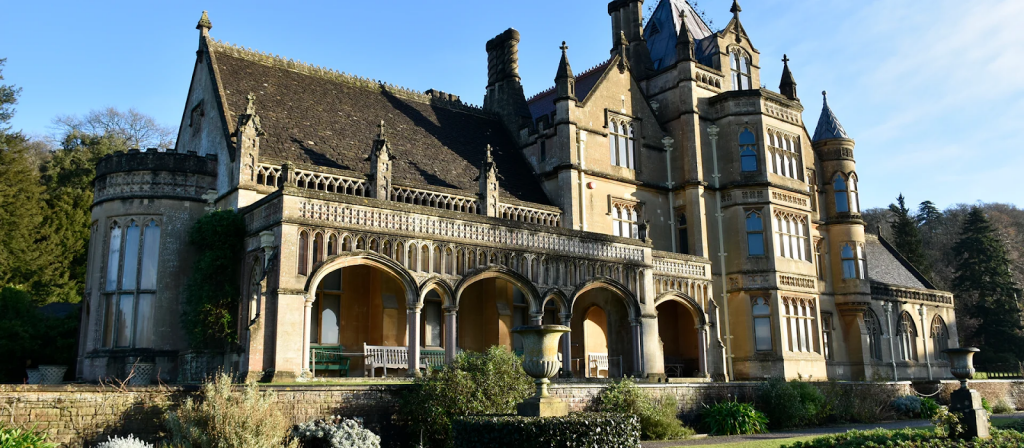
Standing in all its Victorian Gothic splendour, Tyntesfield witnessed four generations of the Gibbs family as they built their wealth from the guano trade. Its history, however, dates further back to the Tynte baronets in the 1500s, where the former hunting lodge got its name.
Opening Times
House — 11am to 4pm
Cafe — 10:30am to 5pm
Estate and Garden — 10am to 6pm
Restaurant and Shop — 10am to 5:30pm
Admission Price
Prices vary, depending on which part of the estate you’re visiting. Adults, children, and groups also have a different admission price.
Source: National Trust
What You Can Do
Explore the semi-natural ancient woodland landscapes with a variety of tree species and wildlife.
Enjoy homemade dishes using estate-grown ingredients.
2. Dyrham Park
Source: National Trust
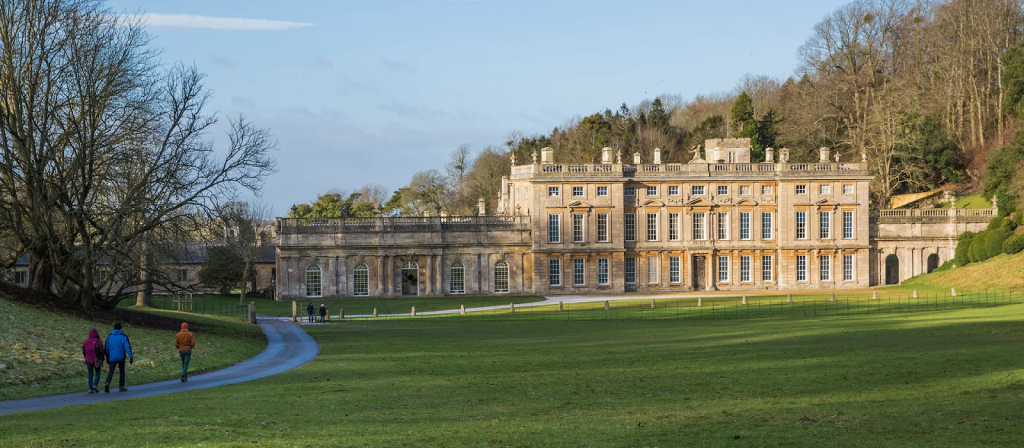
A 17th-century baroque country house situated in South Gloucestershire, Dyrham is home to an ancient deer park. The mansion was built for William Blathwayt and passed on to his descendants until the Ministry of Works bought it in 1956 and handed over to the National Trust. Because of the abundance of deer in the park, dogs are not allowed in the main deer park or garden.
Opening Times
House — 11am to 5pm
Basement, Garden, Park, and Tea rooms — 10am to 5pm
Admission Price
Admission for adults, children, families, and groups have different admission prices. Entrance for National Trust members is free.
Source: National Trust
What You Can Do
Walk around the 270-acre ancient parkland and see a herd of 200 fallow deer.
Roam the mansion and see 17th-century artwork, ceramics, and furniture, as well as a blue-and-white Dutch Delftware collection.
Unwind and enjoy home cooked meals with the estate’s produce and meat as ingredients.
3. Lacock Abbey
Source: National Trust
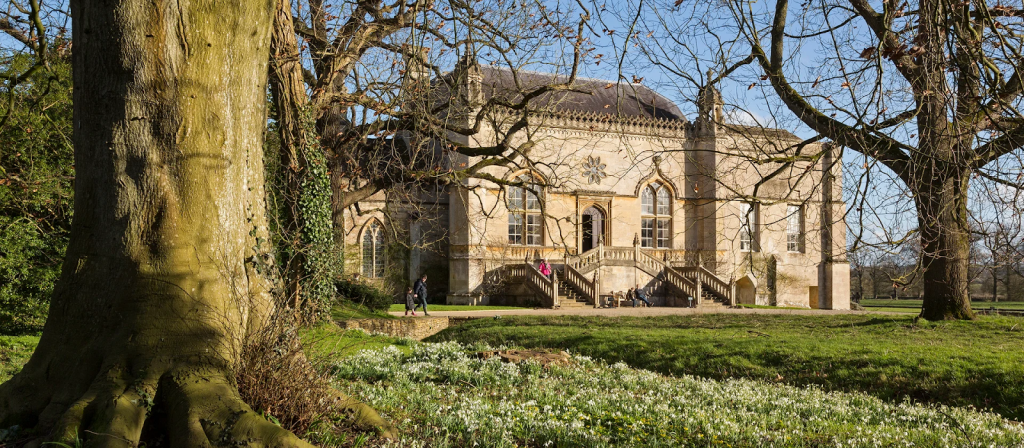
A 13th-century abbey for the Augustinian order, Lackock was turned into a family house for the Talbots in the 15th century. In the 19th century, William Henry Fox Talbot famously invented the world’s first photographic negative within the property’s walls—a photo of one of the abbey’s windows. The property features a small museum dedicated to Talbot and the history of photography and is well worth a browse.
Opening Times
Abbey rooms — 10am to 5pm
Cloisters, Grounds and Museum, Shops, and Stables Cafe — 10am to 5:30pm
Check out the Fox Talbot Museum dedicated to William Talbot’s contributions to photography.
Stroll around the grounds, especially when flowers are in bloom.
Visit Lacock village which was the filming location for several movies and TV shows like Harry Potter, Pride and Prejudice, and Downton Abbey.
4. Newark Park
Source: National Trust
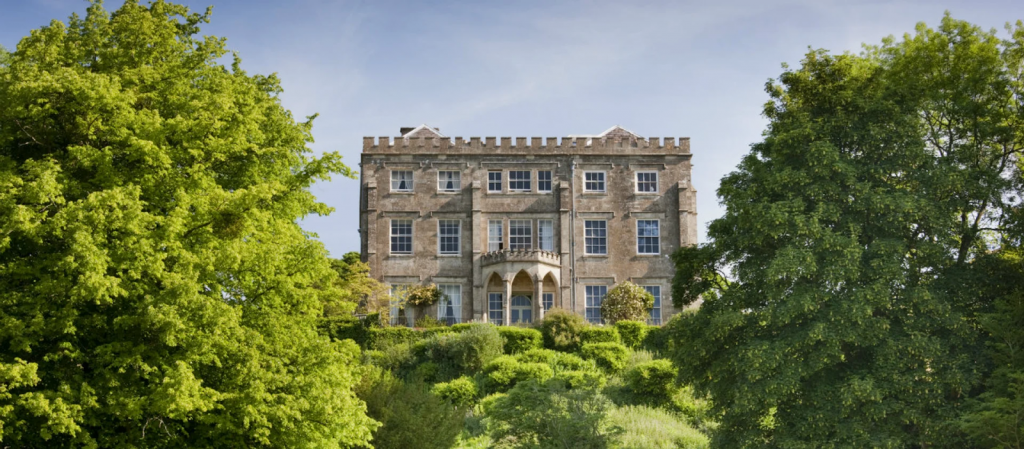
Located on top of the Cotswold escarpment, the Newark estate is a 700-acre hunting lodge built in the 1500s. Throughout the course of almost 400 years, the property was developed to include its modern-day versions of a house and sprawling garden.
Explore Newark house and its surrounding gardens, where flora and fauna thrive.
Walk the trails with your family and/or your dogs.
5. Leigh Woods
Source: Forestry England
Right at the outskirts of Bristol is Leigh Woods — a 2 sq km woodland with mixed broadleaves and open coppice areas. Situated on the plateau above the Avon Gorge, visitors are greeted with a backdrop of the bustling city life in Bristol and a variety of tree and wildlife species.
Opening Times
Leigh Woods — Dawn to dusk
Admission Price
Free
Source: National Trust
What You Can Do
Bike on trails that weave through the woodlands.
Walk or run along its trails with views of Bristol in the background.
Explore an Iron Age fort with ancient artefacts.
6. Blaise Hamlet
Source: National Trust
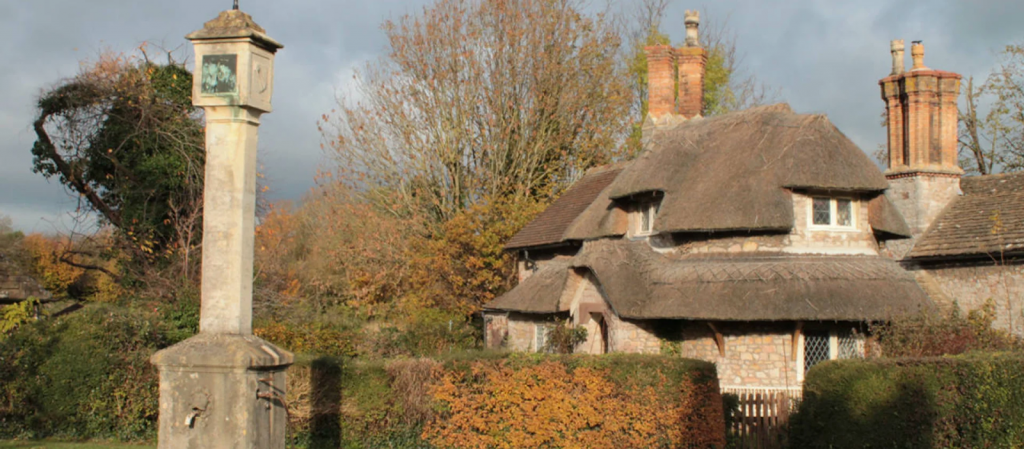
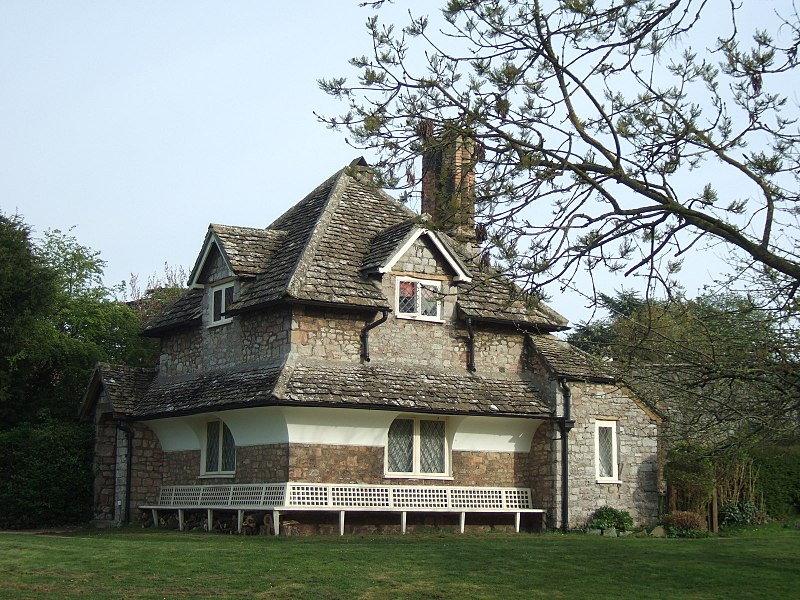
Blaise Hamlet is composed of nine small rustic cottages in Henbury village. Designed by John Nash in the 19th century, all cottages are unique with people living in them today.
Opening Times
Blaise Hamlet — Dawn to dusk
Admission Price
Free
Source: Wikimedia Commons
What You Can Do
Explore nine unique cottages, including the circular, dial, dutch, diamond, double, oak, rose, sweetbriar, and vine cottage.
7. Clevedon Court
Source: National Trust
This 14th-century manor house was renovated throughout the years. The Elton baronets inherited the property in the 18th century; it was then given to the National Trust as partial payment for inheritance tax in 1960. Although the Elton family still lives here, it’s open to the public in the afternoons.
Opening Times
Clevedon Court — 2pm to 5pm (open only on Wednesdays, Thursdays, and Sundays; closed in October to December 2019)
Explore the gardens which date back to the 13th century
Explore the manor and check out the family’s collection of Eltonware pottery and Nailsea glass
8. Prior Park
Source: National Trust
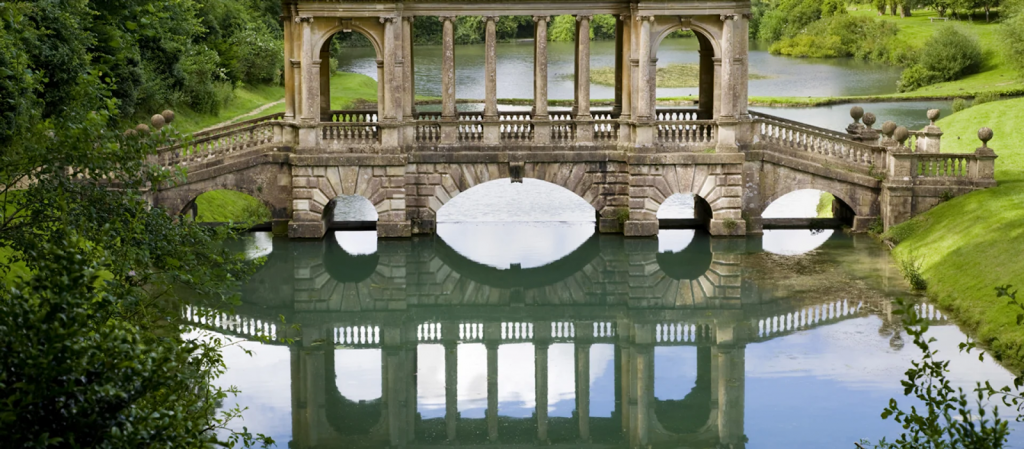
One of the pioneers of the English landscape garden style, Prior Park was designed by poet Alexander Pope and Lancelot “Capability” Brown in the 18th century.
Walk through the gardens with flowers in full bloom, especially during spring.
Check out one of the only four Palladian bridges in the world.
9. Stourhead
Source: Wikimedia Commons
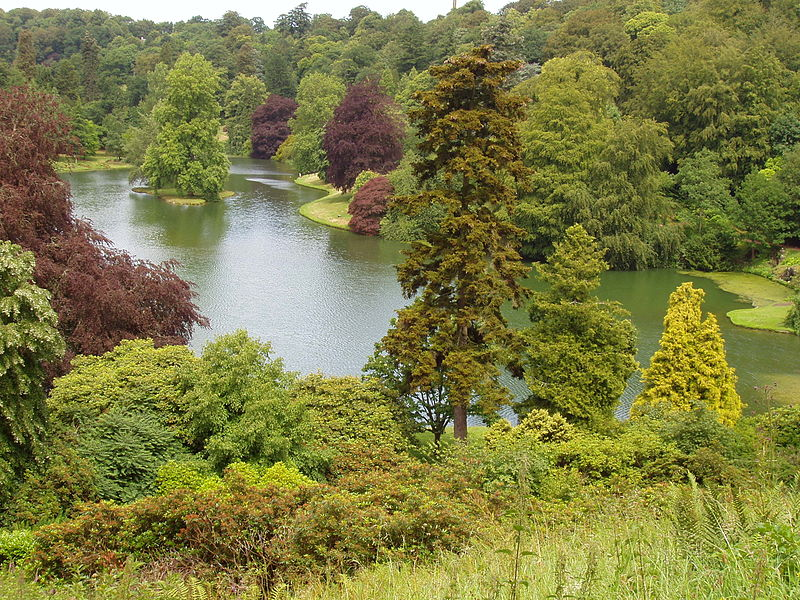
A landscape garden with a lake as its centrepiece, Stourhead was once touted as a “living work of art” when it was first opened in the 1740s. This 1,000-hectare estate houses a Palladian mansion, gardens, farmlands, and Stourton village.
Opening Times
Garden — 9am to 6pm
House — 11am to 4:30pm
King Alfred’s Tower — 12pm to 4pm
Restaurant — 9am to 5:30pm
Shop — 9:30am to 5:30pm
Check out their year-long schedule as certain areas are closed throughout the year.
The National Trust also has many other historic properties around Bath and Bristol that you can visit. If you’re looking for a place in Bristol to stay whilst exploring these sites, then check out our Bristol properties for short-term accommodations at very competitive prices.
Clifton is one of Bristol’s most desirable neighbourhoods, known for its elegant Georgian architecture, charming independent boutiques and breathtaking views over the Avon Gorge. A blend of historic grandeur and modern vibrancy, it offers a lifestyle that appeals to professionals, families and students alike.
Whether you’re drawn to its leafy green spaces, irresistible cafes or prime location, Clifton provides a unique mix of tranquillity and city convenience. It’s no surprise that the area remains one of the most sought-after places to live in Bristol.
Whether you’re looking to rent, buy or invest, Clifton presents exciting opportunities. In this guide, we’ll take you through everything you need to know about Clifton – from its rich history and local attractions to its property market, transport links and why it remains one of Bristol’s best places to call home.
Clifton Suspension Bridge
The Character & History of Clifton
Steeped in history and architectural beauty, Clifton is one of Bristol’s most distinguished neighbourhoods. Originally developed as a fashionable Georgian spa town, it has retained much of its 18th-century elegance, with grand terraces, sweeping crescents and beautifully preserved period homes lining its streets.
Clifton’s charm lies in its ability to balance history with modern living. While cobbled streets and classic facades speak to the area’s past, its thriving café culture, boutique shopping and green spaces make it a vibrant and desirable place to live today. The community atmosphere is strong, and there’s a unique sense of refinement that sets Clifton apart from other areas of Bristol.
Like much of Bristol, Clifton’s early prosperity was tied to the city’s role as a colonial port in the 17th and 18th centuries. The wealth generated from trade contributed to the construction of the grand Georgian townhouses that still define the area today. While Bristol acknowledges its historical ties to this period, Clifton has evolved into a neighbourhood celebrated for its beauty, culture and quality of life.
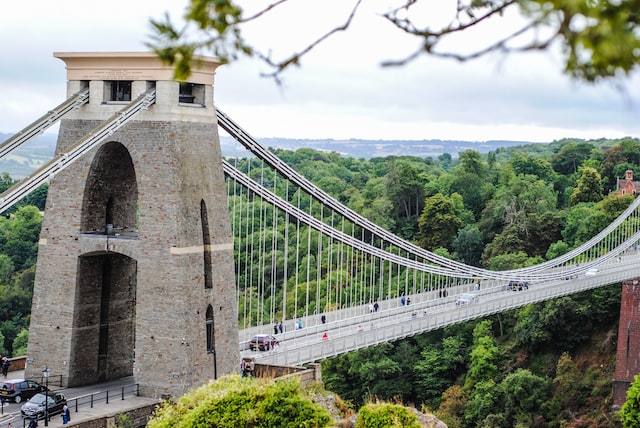
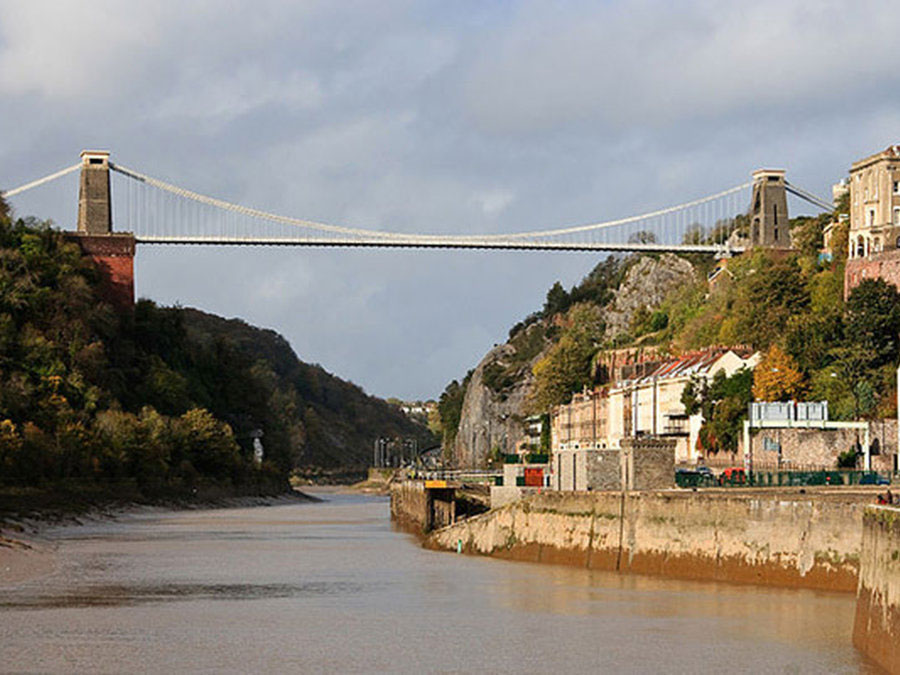
Of course, no mention of Clifton is complete without its most famous landmark, the Clifton Suspension Bridge. Designed by the legendary Isambard Kingdom Brunel, the bridge is a masterpiece of Victorian engineering and offers stunning panoramic views of the Avon Gorge. Whether you’re walking across it at sunset or admiring it from afar, it’s a sight that never fails to impress.
Beyond the bridge, Royal York Crescent is another highlight, once believed to be the longest terrace in Europe. Its sweeping row of townhouses offers some of the most desirable homes in Bristol, with spectacular views over the city. Nearby, the Clifton Observatory provides another breathtaking vantage point and is home to the mysterious Giant’s Cave, a hidden passage leading out to a rocky viewpoint overlooking the gorge.
For those with an appreciation of modern design, Clifton Cathedral offers a striking contrast to the area’s Georgian elegance. This Brutalist structure, built in the 1970s, is an example of bold, contemporary architecture that adds another layer to Clifton’s rich and varied cityscape.
Lifestyle
Architecture aside, Clifton is more than a pretty face; it’s a neighbourhood full of life, offering a vibrant mix of green spaces, independent shops, cosy cafés and some of Bristol’s best restaurants. Whether you’re looking to spend a relaxing afternoon in one of its leafy parks, explore its quirky boutiques or enjoy a meal with a view, Clifton has something to offer everyone.
Green Spaces & Outdoor Leisure
One of Clifton’s greatest draws is its proximity to Clifton Down; an open space where locals gather for picnics, jogging, dog walking and sports. It offers some of the best views in the city, stretching out towards the Avon Gorge and beyond to Leigh Woods. On warm summer evenings, you’ll find plenty of people enjoying the sunset from this scenic spot.
For nature lovers, Leigh Woods, just across the Suspension Bridge, offers an escape into ancient woodland with walking trails and breathtaking views over the gorge. Meanwhile, the Avon Gorge and River below Clifton is home to rare plant species, peregrine falcons and other wildlife, making it a haven for both hikers and birdwatchers.
Independent Shopping & Boutiques
Clifton is known for its independent shopping scene, offering an alternative to the high street chains found in Bristol’s city centre. The Clifton Arcade, a charming Victorian shopping hub, is home to antique dealers, jewellers and unique gift shops. Nearby, Regent Street and Boyce’s Avenue are lined with stylish boutiques, homeware stores and high-end fashion outlets.
From designer brands to artisan crafts, Clifton offers a shopping experience that reflects its refined yet eclectic character.
Cafés & Restaurants
Food lovers will feel right at home in Clifton, with a wide selection of cafés, pubs, and fine dining restaurants catering to every taste.
For coffee and brunch, Mercy Mercy Mercy is a favourite, offering coffee, brunch and hair of the dog (in their own words). If you’re after something a little more refined, The Ivy Clifton Brasserie brings classic British dishes with a touch of elegance, housed in a beautiful historic building.
For hearty pub fare, The Clifton Sausage is a must-visit, serving up classic British comfort food with a focus on quality ingredients.
When it comes to drinks, Clifton has something for every occasion. The Coronation Tap, a historic cider house, is legendary in Bristol for its selection of West Country scrumpies. If you’re after a scenic drink, The White Lion Bar at the Avon Gorge Hotel offers one of the best terrace views in the city, overlooking the Suspension Bridge.
Arts & Culture
Clifton’s creative scene thrives through small galleries, independent cinemas and pop-up exhibitions. The Everyman Cinema, a boutique theatre on Whiteladies Road, offers a unique movie-going experience with plush sofas, cocktails and table service. Meanwhile, art enthusiasts can explore local exhibitions at Hidden Gallery, which specialises in contemporary and modern art.
Royal York Crescent
Living in Clifton: A Guide for Renters & Buyers
Clifton’s charm extends beyond its postcard-perfect streets and thriving social scene—it’s also one of the most desirable places to live in Bristol. The area’s blend of historic architecture, green spaces and excellent amenities makes it highly sought-after by renters and buyers alike. Whether you’re looking for a stylish period apartment, a spacious family home or a modern city pad, Clifton offers a range of properties to suit different lifestyles.
Clifton’s central location, excellent transport links and vibrant atmosphere attract a diverse mix of residents. Professionals are drawn to the area’s proximity to Bristol city centre, while students from the University of Bristol favour its lively yet upmarket setting. Families, too, find Clifton appealing thanks to its top-rated schools, parks and family-friendly amenities.
Living in Clifton means being within walking distance of some of the city’s best cafés, restaurants and cultural attractions, while also enjoying a quieter, more residential feel compared to the bustling city centre.
Property Types in Clifton
The Clifton property market is known for its stunning period homes, many of which have been converted into elegant apartments while still retaining their original Georgian or Victorian features.
Georgian & Victorian Townhouses – Often found in crescents and terraces, these properties boast large windows, high ceilings and period charm.
Converted Apartments – Many of Clifton’s historic buildings have been transformed into stylish flats, offering characterful living spaces with modern conveniences.
Modern Developments – While Clifton is largely defined by its historic architecture, there are also some contemporary developments that offer sleek, modern living in this desirable area.
With properties ranging from compact studio flats to grand multi-bedroom homes, Clifton caters to a variety of budgets and living preferences.
Renting in Clifton
Rental demand in Clifton remains consistently high, particularly among young professionals and students. While rental prices are higher than in some other parts of Bristol, tenants are willing to pay a premium for Clifton’s lifestyle benefits and convenient location.
A typical one-bedroom apartment in Clifton can range from around £1,200 to £1,600 per month, while larger properties, especially those with period features or outdoor space, can command even higher rents. The area’s popularity ensures strong rental yields for landlords, making it an attractive investment opportunity.
Buying in Clifton
For those looking to buy in Clifton, property prices reflect its status as one of Bristol’s most exclusive postcodes. The majority of properties sold in Clifton during the last year were flats, selling for an average price of £411,076. Terraced properties sold for an average of £865,473, with semi-detached properties fetching £1,388,250. Despite the premium price tag, Clifton remains a smart investment, with property values showing long-term growth and a high level of demand.
Clifton’s Property Market: A Guide for Landlords & Investors
Bristol’s property market has demonstrated resilience and growth, with house prices increasing by 86% since 2007. This upward trajectory is expected to continue, with forecasts predicting a 17% growth in house prices and an 18.2% increase in rental values between 2023 and 2027.
Several developments are poised to enhance Clifton’s appeal further:
Infrastructure Improvements: Ongoing investments in transport and public amenities are set to improve connectivity and quality of life.
Urban Regeneration Projects: Initiatives aimed at revitalising nearby areas are likely to have a positive spillover effect on Clifton’s property values.
Why Invest in Clifton?
High Demand: The area’s unique blend of historic charm, green spaces and cultural attractions ensures a steady stream of prospective tenants.
Strong Capital Appreciation: Historical data indicates robust growth in property values, with positive forecasts for the coming years.
Quality Tenants: Proximity to reputable educational institutions and business hubs attracts professionals and students, offering landlords a reliable tenant base.
Transport & Connectivity
One of Clifton’s many advantages is its excellent transport links, making it easy for residents to travel across Bristol and beyond. Whether commuting to the city centre, accessing the motorway network or exploring the South West, Clifton offers a range of convenient transport options.
Walking & Cycling
Clifton’s compact layout and charming streets make it a highly walkable area. Many key destinations, including Bristol city centre, the University of Bristol and Clifton Village, are within comfortable walking distance. For those who prefer to cycle, Bristol’s well-developed cycle network includes dedicated bike lanes and routes that connect Clifton to the wider city. Voi e-scooters are also a popular option for quick and easy travel.
Bus & Public Transport Links
Clifton is well-served by frequent bus services, providing easy access to the city centre and surrounding neighbourhoods. For those commuting further afield, Clifton Down railway station provides direct connections to Bristol Temple Meads, where passengers can access national rail services to London, Cardiff and other major cities. Trains run approximately every 30 minutes, making it a convenient option for those who prefer rail travel.
Driving & Parking in Clifton
While Clifton’s central location is a major benefit, parking can be challenging, particularly in the more historic parts of the neighbourhood. Much of the area operates under residents’ parking schemes (RPZs), which require permits for on-street parking. However, there are some pay-and-display options available for visitors and certain residential properties come with allocated parking.
For those who drive regularly, Clifton offers easy access to major road networks, including:
M32 – A direct route to the M4 and M5 motorways, providing connections to London, Birmingham and the South West.
A4 Portway – A scenic route along the River Avon leading to the M5 and coastal towns such as Portishead and Clevedon.
For frequent travellers, Bristol Airport is just a 25-minute drive from Clifton, offering flights to destinations across the UK and Europe. The A1 Airport Flyer bus service provides a convenient link to the airport, running frequently from the city centre.
Work With Hopewell
Whether you’re looking to rent, buy or invest in Clifton, having the right property experts by your side makes all the difference. At Hopewell, we specialise in helping tenants find their perfect home, assisting landlords with seamless property management and guiding investors towards high-performing opportunities in Bristol.
Clifton’s mix of stunning period homes, modern apartments and green spaces makes it one of Bristol’s most desirable areas to live. But with demand high, finding the right property can be competitive. Our team takes the stress out of the search, offering a range of high-quality rental properties and a personalised service to match you with a home that fits your lifestyle and budget.
Whether you’re searching for a home, letting out a property or investing in Clifton, our expert team is ready to assist. Get in touch today to find out how we can help you navigate the Bristol property market with confidence.
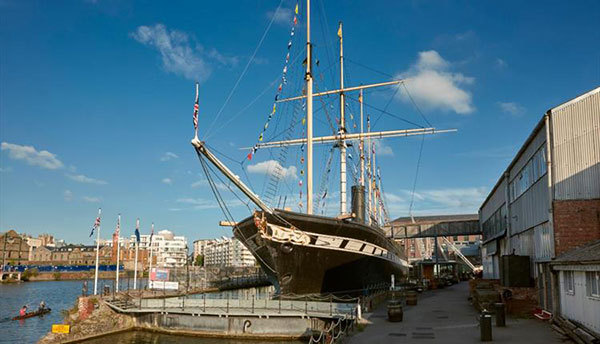
No visit to Bristol would be complete without stepping on board the world’s first great ocean liner. This awe-inspiring steamship, built in 1843 by the Victorian engineer Isambard Kingdom Brunel, is easily one of the city’s top visitor attractions (and one of two of Brunel’s must see structures – see number 2 in this list). Fascinating and educational for all the family, you are free to explore the old ship’s galley, dining saloon and surgeon’s quarters, with its replica sounds and smells. Glimpse the the SS Great Britain below water and strap into a harness to climb the ship’s mast. As well as talks, interactive experiences and storytelling, this attraction offers you a memorable opportunity to step back in time and revel in local maritime history. Located at the Dockyard on Gas Ferry Road. Charges apply, although concessions are available.
Brunel’s SS Great Britain
Clifton Suspension Bridge
At 76-metres high, the Clifton Suspension Bridge spans the Avon Gorge and is one of the most photographed landmarks in the city. Designed by the great Bristol engineer, Isambard Kingdom Brunel with work beginning in 1831 (the bridge wasn’t completed until 1864), the bridge has since earned Grade-I listed status and is regarded as one of the crowning achievements of Victorian engineering. It’s a must-see on any visit to Bristol, where you can walk or cycle over it for free, taking in the magnificent views. Of course the bridge is a thoroughfare for traffic (forming part of the B3129 linking Ashton Court and Leigh Woods with Clifton Village) with cars paying a £1 toll. There’s also an interesting visitor centre on the west side of the bridge if you would like to find out more about this construction marvel. Free tours are also available.
St. Mary Redcliffe Church
This 800-year old church on Redcliffe Hill boasts resplendent Gothic architecture, intricate stained glass windows and majestic ironwork. Regarded as one of the most beautiful churches in England – and rightly so – if you’re visiting Bristol, a peek inside this building is obligatory. Make sure you take a look at the church’s world famous organ while you’re there. It’s free to visit the church outside of worship times and it’s open daily. An on-site cafe and toilets are also available for visitors.
St. Mary Redcliffe Church
Bristol Harbour
Bristol boasts a rich maritime history, given that the city has been trading as a port since 1051. Due to very high tides, a floating harbour was erected in 1809. Today, the Harbourside area of Bristol is a lively and pleasant hub for dining and shopping, as well as soaking up the history of the local area. Many of the city’s top attractions are located here, especially around Millennium Square, including Brunel’s SS Great Britain, Bristol Aquarium, the Watershed and the Arnolfini. In particular, if you’re interested to discover more about the history of Bristol, make sure you visit M Shed. The new development at Wapping Wharf, set just behind the M Shed, plays host to some brilliant restaurants and local brewery Wild Beer.
Bristol Harbour
Bristol Old Vic
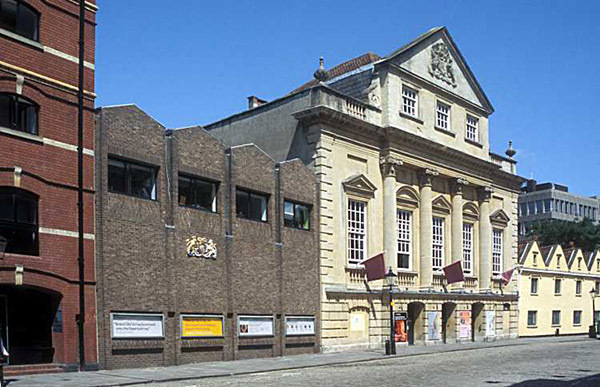
As the oldest working theatre in Britain, Bristol Old Vic dates back to 1766. Despite undergoing a major refurbishment to provide modern facilities, this playhouse still oozes nostalgic charm. The theatre comes with a bar and a kitchen, so you can enjoy refreshments before or after your show. In addition to a range of talks and shows, you can experience a guided tour of the premises, delving into the theatre’s intriguing history. The Old Vic is located on King Street, just behind glorious Queen Square, in the heart of Bristol’s historic Old City.
Bristol Old Vic
Bristol Cathedral
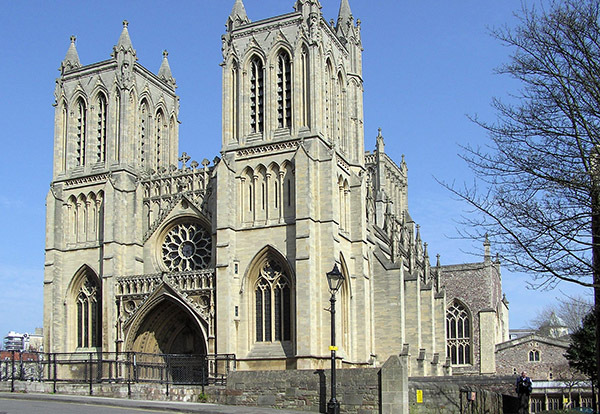
Dating back to the 12th century, although undergoing a makeover during the 19th century, Bristol Cathedral is considered to be one of the best ‘hall churches’ in Britain, where the nave, aisles and choir are all the same height. Situated at the end of Park Street in the West End of the city, overlooking College Green, it is little wonder that this attractive setting is the place for many ceremonies and graduations. Open daily, it’s free to visit this majestic building and guided tours are available if you would like to learn more about the cathedral’s history.
Bristol Cathedral
Old City
The old quarter in Bristol gives you a fascinating glimpse into the history of the city, so simply stroll around and admire the historic buildings in front of you, many of which are now converted into bars and restaurants. Pedestrianised Corn Street is a good place to start, with its lively atmosphere and weekend markets (foodies might want to check out the Ox, arguably the city’s best steak restaurant hidden away down some steps below the Commercial Rooms pub). Make sure you drop by the Corn Exchange to pick up some local handmade goods. The Old City district is also home to Castle Park, Queens Square and the old inns and warehouses.
Tyntesfield
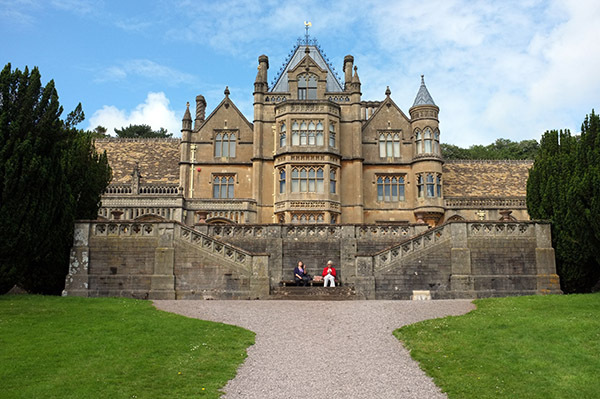
National Trust owned Tyntesfield is a Victorian country house near Bristol. The Grade-I listed building, bought by William Gibbs in the 1830s, exudes a Gothic style and boasts a fascinating collection of over 5,000 antiques and works of art. The outside of the building is just as alluring as the inside, where you can enjoy pleasant strolls in woodland. The Visitor Centre is also a great place to purchase local produce and plants, while the cafe is a welcoming place for a spot of lunch. The property is open all year round and admission charges apply except for National Trust members which get in for free.
Tyntesfield House
Cabot Tower
If you want to admire Bristol’s uninterrupted skyline, then possibly the best view in the city is atop Cabot Tower. This 105-ft ornate, red sandstone tower built in 1897 commemorates John Cabot’s voyage from Bristol to North America. Situated in Bristol’s oldest park, Brandon Hill, this is a pleasant spot to relax and unwind, where you can enjoy a stroll or let youngsters loose in the play area. Cabot Tower is open daily and it is free to climb up it.
Cabot Tower
Arnos Vale Cemetery
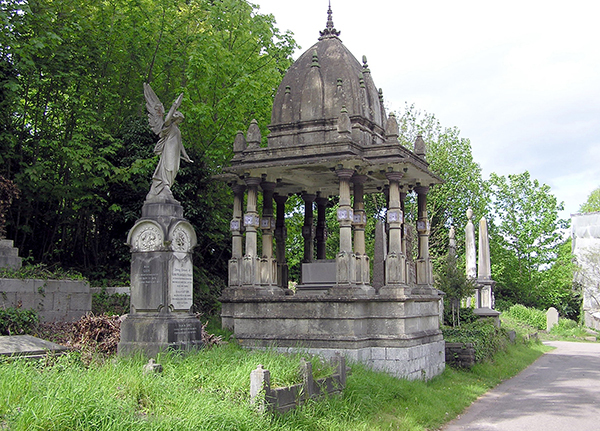
Escape the hustle and bustle of the city and step inside this tranquil setting comprising 45 acres of attractive greenery. A leading example of a Victorian garden cemetery, you can expect to find beautiful classical architecture here, including Grade-II listed monuments. There are lots of peaceful nature trails to explore if you fancy a walk, where you can spy an assortment of flora and fauna. A gift shop and cafe are also located on-site and guided tours are available. The cemetery also plays host to outside theatre, including Shakespeare. Arnos Vale is open all year round.
Originally a transit shed from the 1950s, the M Shed is now a thriving museum that offers a unique insight into the history of Bristol. The M Shed now houses a large collection of objects and artefacts. In addition to plenty of displays detailing historical facts, this living museum includes many working exhibits, such as steamboats, trains and of course it’s iconic cranes. As well as delving into the industrial, maritime and engineering history of the city, you can discover more about its cultural, musical and artistic roots. M Shed is open daily except for most Mondays and is free to visit. It has a gift shop and cafe, too.
M-Shed, Museum of Bristol, Bristol.
M-Shed, Museum of Bristol, Bristol.
Bristol Museum & Art Gallery
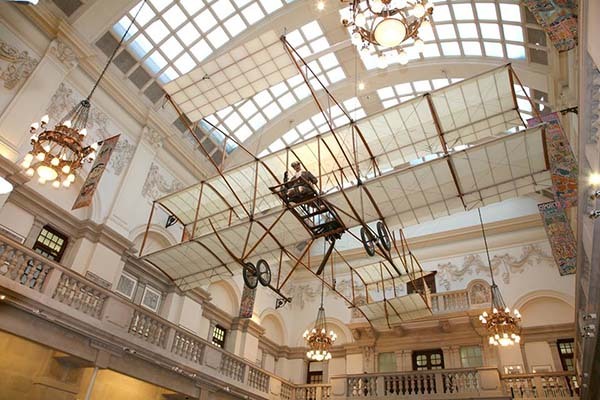
Located in Bristol’s ‘West End’ city, this well-laid-out museum boasts 19 galleries over three floors. Archaeology, Ancient Egypt and world cultures dominate the ground floor, while the first floor is taken over by dinosaurs, geology and Bristol’s history. Art enthusiasts will flock to the second floor, which is filled with artwork, ceramics, glass and silver collections from all over the world. Ideal for all the family, this museum includes lots of interactive activities and trails that will engage youngsters. The museum is open daily, apart from most Mondays, and is free to enter (although donations are welcome).
Bristol Museum & Art Gallery
Bristol Museum & Art Gallery
Brunel’s SS Great Britain
Built by Bristol’s favourite son, Isambard Kingdom Brunel in 1843, the SS Great Britain is regarded as the world’s first great steamship. You can step on board the ship and enjoy an exciting visitor experience, fascinating for both children and adults. As well as plenty of hands-on activities and interactive stories and displays, this living museum lets you explore the bowels of the ship, including the galley, surgeon’s quarters and dining saloon. Brave explorers can even climb up the ship’s mast, or see what the vessel looks like under the water. This top visitor attraction is found in the Harbourside area of Bristol. Admission prices apply, although concessions are available.
Brunel’s SS Great Britain
Brunel’s SS Great Britain
Blaise Castle Museum
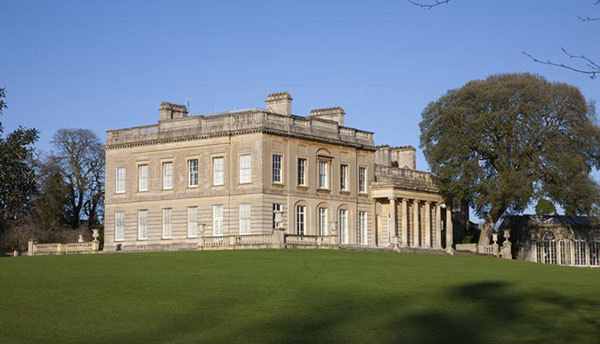
Situated in Henbury Road, this attractive museum and estate is nestled within 400 acres of parkland. Free to visit, it tells the story of how people lived over the years. As well as objects, equipment and artefacts used in daily life from the past, there are also displays of old toys and period costumes. Be sure to make a beeline for the Picture Room and admire the stunning art collections hung on the walls. Although the inside of the house might be the obvious attraction here, it’s well worth spending some time in the gardens of this estate. There’s an amphitheatre and kitchen garden to explore, while kids will be happy to expend energy at the adventure playground.
Blaise Castle Museum
Blaise Castle Museum
Spike Island
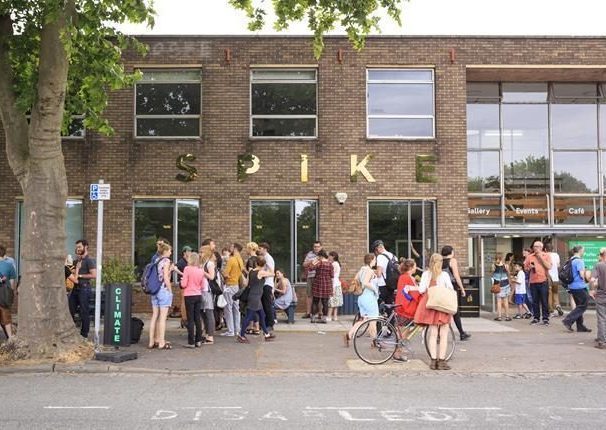
This creative zone that focuses on all things art and design and is located in an old tea-packing factory in the thriving harbour part of the city. Light and airy, this space allows artists and designers to come together while offering visitors activities and exhibitions for all the family. In particular, visit Spike Island when the artists open their studios up for tours and you can get a rare glimpse into the working environment of creative types. Visit the cafe to sample local, organic produce. The building is also a collaborative working space and home to many other small businesses, working in the creative industries.
Spike Island
Spike Island
Georgian House Museum
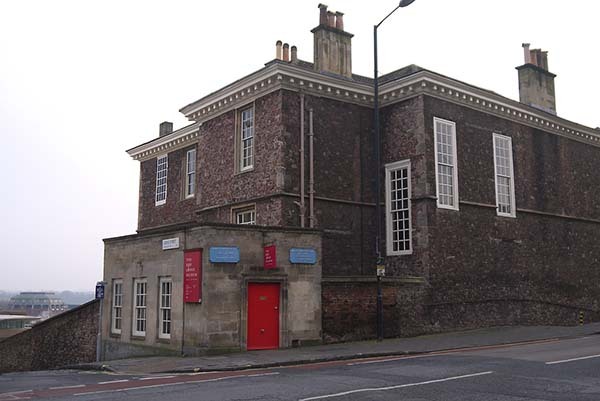
If you wondered what life was like in Bristol in the 18th century, a visit to the Georgian House Museum just off Park Street is a great way to immerse yourself in local history. The house, once the dwelling of a slave and sugar plantation owner, is set up to resemble the 18th century, with artefacts and equipment spanning 11 rooms over four floors. It even comes with its own cold water plunge pool. The house is closed Wednesday-Friday. Entry is free for students and those under the age of 25. A combined ticket to visit Red Lodge Museum is available.
Georgian House Museum
Georgian House Museum
Red Lodge Museum
If you’re near the Park Street area of the city, or you’ve just visited the Georgian House Museum, make the Red Lodge Museum your next port of call. This Elizabethan house offers a glimpse back in time spanning 400 years. The Great Oak Room will be a highlight of your visit, where you can admire exquisite oak panelling. Beautiful Georgian architecture can be found in the downstairs rooms. Another feature not to miss on your visit is the outside Knot Garden, containing plants typically found in English gardens during the 17th century.
Red Lodge Museum
Red Lodge Museum
Bristol Archives
The records of the City of Bristol and the British Empire & Commonwealth Collection can be found at Bristol Archives, an intriguing resource for any budding historian, as well as anyone with an interest in British history. You can visit this facility for free and you don’t need to make an appointment, although it’s worth checking opening times beforehand. A rest area and cafe are available on-site. The Bristol Archives can be found at the B Bond Warehouse on Smeaton Road.
Arnolfini
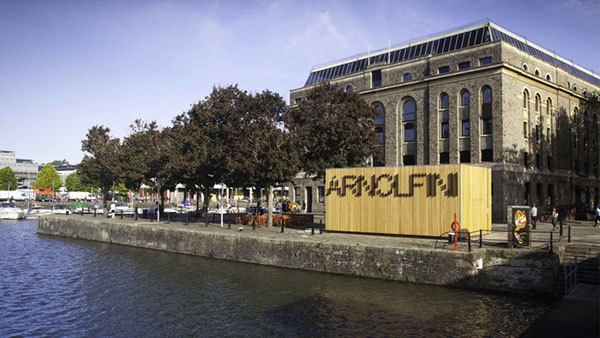
Most visitors to Bristol tend to spend time at the Harbourside. While you’re in this area, be sure to check out the Arnolfini. This centre for contemporary arts puts on a wide range of visual arts, dance and music performances, making it a lively hub for those interested in all things creative. The gallery has recently undergone an ambitious renovation project, so expect exciting changes to this venue. They also serve a lovely pint in their downstairs cafe/bar, which serves the myriad of people who sit outside by the water in the summer months. You can also visit the on-site bookshop, which is regarded as one of the best in the UK for specialist art books.
Arnolfini
Arnolfini
View
View is one of the largest independent art galleries in the South West of England. Located on Hotwells Road, this is the place to come to view a wide range of interesting exhibitions. The gallery includes a plethora of art for the home or business and features an extensive array of collections from talented artists. If you are seeking artistic inspiration, View certainly will not disappoint. Opening times vary, so check the website for details. You may need to book an appointment.
Whilst Banksy may have put Bristol street art on the map, many other respected graffiti artists have also added vibrancy and colour to the outside walls of buildings in our city, earning it the title as the capital of street art in Europe, if not the entire world.
Let’s take a closer look at where you can find some of Bristol’s finest street art and some of the incredible Bristolian talent contributing to this vibrant century scene.
Where to go
Street art is abundant throughout the city’s roads and streets in Bristol, from the main high streets and thoroughfares to side roads and out the way buildings and areas. You won’t need to venture too far from the city centre to glimpse diverse outdoor murals adding pops of colour to otherwise grey and monotonous buildings.
Let’s look at some of the main areas in turn.
Nelson Street
North Street and Bedminster
Some of the world’s best urban artists have left their mark in the Bedminster and Southville areas. North Street, in particular, is awash with colourful wall canvases, many of which have been created during the most widely acclaimed street art festivals in the world, Upfest. The quality and sheer scale of the street art here will blow you away (and because of the annual Upfest festival, changes every year).
Stokes Croft
Popular with students, the Stokes Croft area of Bristol is bursting with colour, with some of the most famous outdoor murals to be found in this location. Think Cosmo Sarson’s epic Jesus BreakDance, and, of course, Banksy’s Mild Mild West. Also don’t miss taking a peep at works by Aspire, Stinkfish, Cheba and Phlegm all lining the colourful and vibrant Stoke Croft area.
Easton
Although Easton is famed for housing some of Banksy’s most ambitious works of urban art (he allegedly lived here), don’t dismiss the many other curations from lesser-known artists. In fact, veer off the beaten track to the back streets of Stanley Park and you will discover a whole host of graffiti talent.
Upfest
Bristol’s Street Artists
The world’s most famous graffiti artists have made their way to Bristol, putting their creative stamp on the city’s walls. Arguably, the most famous of all artists is the legendary Banksy, who began his graffiti career in the city, and has been unleashing his creative talents on walls since 1993.
While Banksy is the king of Bristol’s urban artwork scene, it would be unfair not to mention other talented street artists that have brought a splash of colour to the city’s walls. If you want to immerse yourself in Bristol’s graffiti art, seek out the murals of these other creatives.
With that being said, let’s start with Bristol and perhaps the world’s most famous street artist.
Banksy
No visit to Bristol would be complete without hunting down some of Banksy’s most famous wall illustrations. Head to Frogmore Street, to glimpse the Well Hung Lover, while Hanover Place is the location to spot the renowned Girl with the Pierced Eardrum. Off Bath Buildings Road you can spy one of Banky’s earliest innovations, Take the Money and Run. Other street artists, such as Inky and Mobz, pitched in to help with this one.
Angus
Humour is at the heart of the graffiti creations of UK artist Angus, where his works of art are influenced by cartoon characters, superheroes and Minions.
Aryz
If you catch sight of a distinguished-looking dog wearing clothes, covering five floors of the walls of a building in Bristol, then you will instantly know it is the work of Spanish artist, Aryz.
Aspire
If you stumble across artworks on walls around Bristol depicting birds surrounded by neon colours, then chances are it will be the work of talented UK graffiti artist, Aspire.
Cheba
This graffiti artist has a penchant for painting astral scenes around Bristol, in particular, the Full Moon pub in Stokes Croft displays his most famous illustration.
Dan Kitchener
Dan’s striking Streets of Colour scene on Westbourne Grove cleverly portrays a wet street illuminated by neon signs, reflections, rain and light.
Feek
Unicorn fans should head to St. John’s church, where you will discover a fresco style depiction spray-painted on the wall by local artist, Feek.
Inkie
Bristol-born Inkie is fast earning the same urban artist status as fellow compatriot Banksy, who dominated the scene during the 1980s. He has daubed paint on a pub in Clifton as well as a restaurant in Keynsham, infusing a style influenced by Mayan architecture.
Jonesy
Known for creating bronze sculptures that can be found on walls or at the top of street signs, this UK artist has left his mark in the Leonard’s Lane part of the city.
Odeith
Portuguese urban artist Odeith is famed for the eye-catching illustration of Benny Hill, found covering a wall in Bristol.
Stik
There is a reason why graffiti artist Stik has acquired his name, as his urban illustrations of choice are simple stick figures that can be found gracing large walls around Bristol.
Bringing an exotic flavour to the streets of Bristol, Stinkfish’s two most famous pieces include a one-layered stencil portrait of an African girl in Stokes Croft, as well as an Indian girl, entitled Taj Mahal Girl, on Mina Road.
This website uses cookies to improve your experience. We'll assume you're ok with this, but you can opt-out if you wish. ACCEPTREAD MORECOOKIE SETTINGS
Privacy & Cookies Policy
Privacy Overview
This website uses cookies to improve your experience while you navigate through the website. Out of these cookies, the cookies that are categorized as necessary are stored on your browser as they are essential for the working of basic functionalities of the website. We also use third-party cookies that help us analyze and understand how you use this website. These cookies will be stored in your browser only with your consent. You also have the option to opt-out of these cookies. But opting out of some of these cookies may have an effect on your browsing experience.
Necessary cookies are absolutely essential for the website to function properly. This category only includes cookies that ensures basic functionalities and security features of the website. These cookies do not store any personal information.
Any cookies that may not be particularly necessary for the website to function and is used specifically to collect user personal data via analytics, ads, other embedded contents are termed as non-necessary cookies. It is mandatory to procure user consent prior to running these cookies on your website.